
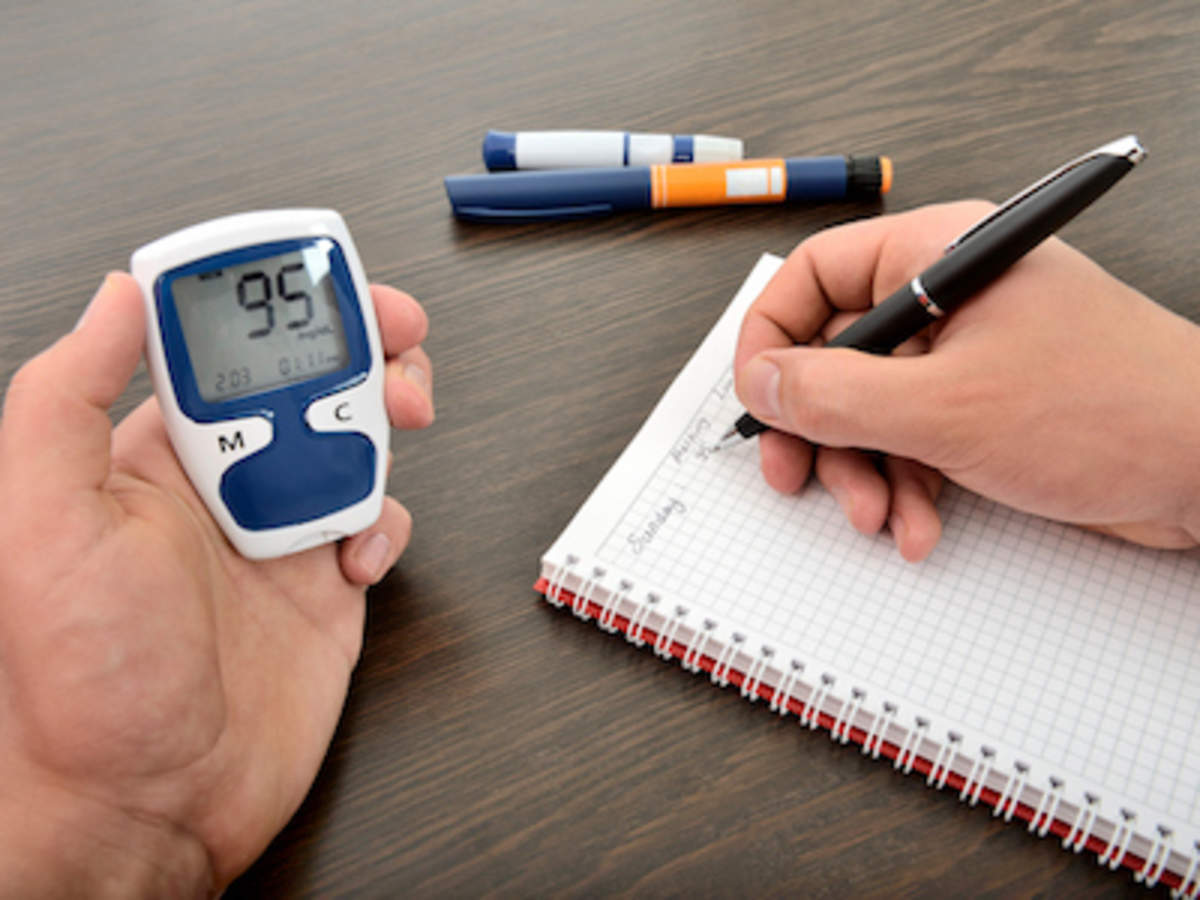
You’re sitting at your kitchen table, coffee cooling beside you, staring at a small device that somehow holds big answers about your health. Maybe it’s new. Maybe it feels intimidating. But within seconds, it can tell you something your body isn’t always clear about, your blood sugar levels.
A Blood Sugar Monitor is a device that measures the amount of glucose in your blood, helping you understand how your body responds to food, activity, and medication.
Key Takeaways
- A Blood Sugar Monitor gives real-time insight into your glucose levels
- It’s a cornerstone of effective diabetes management tools
- There are traditional meters and advanced continuous systems
- Accurate use leads to better daily health decisions
Why Blood Glucose Monitoring Matters More Than You Think
Glucose fuels your body, but too much or too little can quietly cause harm over time. According to the World Health Organization, consistently high blood sugar is a key factor in serious conditions like heart disease, kidney failure, and vision loss.
Source: https://www.who.int/news-room/fact-sheets/detail/diabetes
What makes this tricky is that your body doesn’t always send clear signals. That’s where blood glucose monitoring becomes essential because it turns invisible fluctuations into visible data you can act on.
How Blood Sugar Monitors Work in Real Life
At its core, a glucose meter device works through a simple but powerful process:
- A small drop of blood is placed on a test strip
- The strip contains enzymes that react with glucose
- This reaction creates an electrical signal
- The device converts it into a readable number
More advanced options, like a continuous glucose monitoring system, use a tiny sensor under the skin to track glucose throughout the day. These smart glucose monitor devices provide trends, alerts, and a fuller picture of your health.
If you’ve ever wondered about CGM vs glucose meter, think of it this way: one gives snapshots, the other tells a story.
Types of Blood Sugar Monitors You Should Know
| Type | How It Works | Best For | Key Benefit |
| Traditional Meter | Finger-prick test | Daily checks | Affordable and simple |
| CGM | Sensor under skin | Continuous tracking | Real-time trends |
| Digital Monitor | Connected apps | Tech-savvy users | Data tracking |
| Non-invasive (emerging) | No needles | Comfort-focused users | Minimal discomfort |
A Simple Framework for Using a Blood Sugar Monitor
Consistency matters more than perfection. Here’s a practical way to approach checking blood sugar at home:
- Wash and dry your hands before testing
- Use a fresh test strip each time
- Follow the correct blood sugar test procedure
- Record your readings or sync with an app
- Review patterns weekly, not just individual numbers
This routine improves blood sugar monitor accuracy and helps you spot trends early.
Common Mistakes That Can Affect Your Readings
Even the best digital blood sugar monitor can mislead you if used incorrectly. Watch out for:
- Testing with unclean hands
- Using expired test strips
- Ignoring device calibration
- Testing at inconsistent times
- Overreacting to a single reading
These small errors can distort your understanding of your blood sugar levels.
The Bigger Picture: Benefits Beyond Numbers
Using a Blood Sugar Monitor isn’t just about data. It’s about control, clarity, and confidence.
The benefits of blood sugar monitoring include:
- Better day-to-day decision-making
- Early detection of irregular patterns
- Improved long-term outcomes
- Support in preventing diabetes complications
The Centers for Disease Control and Prevention highlights that regular monitoring plays a critical role in managing diabetes effectively.
Source: https://www.cdc.gov/diabetes/managing/index.html
Quote That Grounds It All
“Self-monitoring of blood glucose is a key component of diabetes care.”
Author: American Diabetes Association
Real-World Scenario
Case Study:
A 42-year-old office worker started home blood sugar testing after feeling constantly fatigued. Initially, he only checked occasionally and felt confused by fluctuating results. After adopting a consistent routine and learning how to use a blood sugar monitor correctly, patterns emerged. His glucose spiked after late-night meals.
Within weeks, small lifestyle changes helped him stabilize his levels. What changed wasn’t just his numbers, it was his confidence.
Technology Is Evolving Faster Than You Think
From basic meters to advanced sensors, the world of diabetes management tools is rapidly changing. Many providers now offer a Continuous Glucose Monitoring System in Florida, making it easier than ever to access continuous insights and personalized care.
Conclusion
A Blood Sugar Monitor may seem simple, but it plays a powerful role in your daily health. It transforms uncertainty into clarity and helps you make informed decisions with confidence.
For those exploring reliable solutions, Juliart Medical, LLC focuses on providing trusted, easy-to-use monitoring devices designed to support your health journey with care and credibility.
Summary
Think of a Blood Sugar Monitor as your daily health companion that gives you real-time insight into how your body responds to life. Whether you use a basic meter or a continuous system, consistency is key. Small habits like proper testing and tracking can lead to meaningful improvements. Over time, those numbers become a story you can understand and act on.
FAQs
What makes a good Blood Sugar Monitor?
Accuracy, ease of use, quick results, and reliable data tracking are essential features.
How does Juliart Medical, LLC ensure quality?
Juliart Medical, LLC focuses on dependable devices that are user-friendly and aligned with modern healthcare standards.
How often should you check blood sugar levels?
It depends on your condition, but many people test before meals and at bedtime.
What is the difference between CGM and a glucose meter?
A glucose meter provides single readings, while a CGM tracks glucose continuously throughout the day.
What are the best practices for accurate readings?
Clean hands, proper timing, fresh strips, and consistent routines all improve accuracy.


