
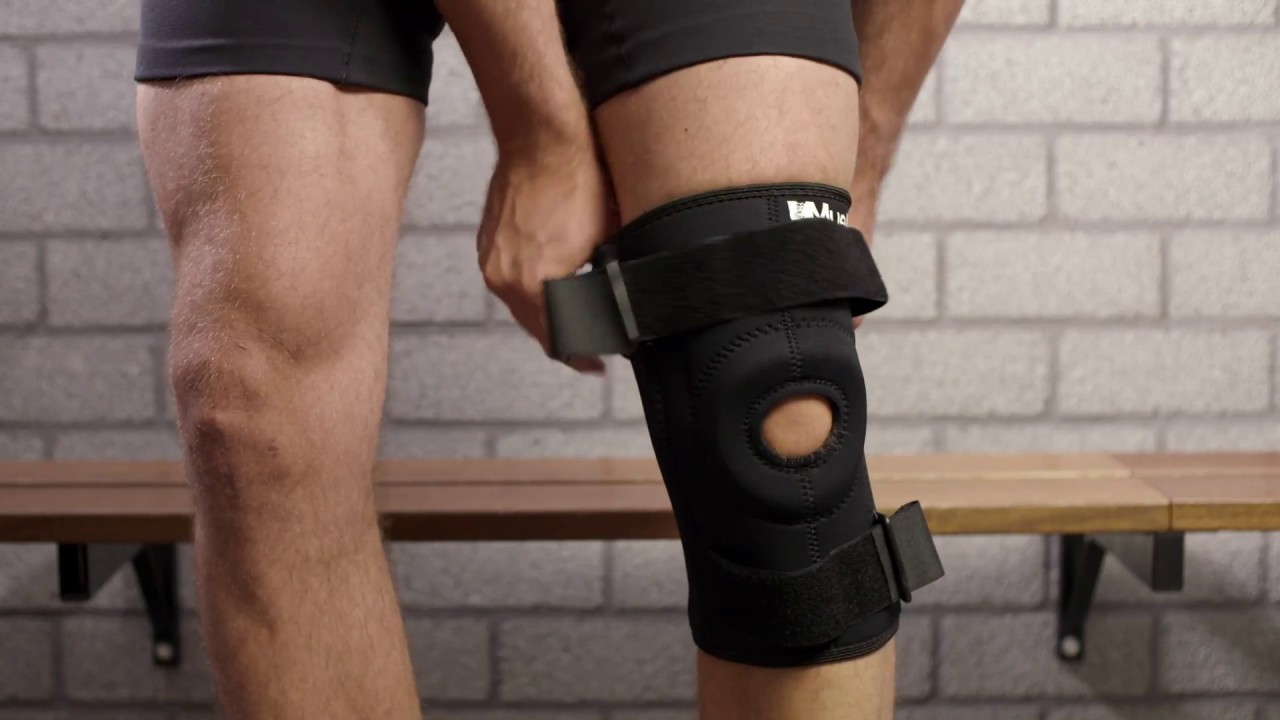
Knee injuries and chronic joint conditions can significantly affect your mobility and quality of life. Whether caused by sports activities, aging, or post-surgical recovery, knee instability requires the right level of structured support. One of the most reliable orthopedic solutions available today is a Hinged Knee Brace. Designed to stabilize the joint while allowing controlled motion, this specialized brace provides protection without completely restricting natural movement.
In this guide, we will explain what this type of brace is, how it functions, who may benefit from it, and how to choose the right one for your needs.
What Is a Hinged Knee Brace?
A Hinged Knee Brace is a structured orthopedic support device that includes rigid hinges on either side of the knee joint. Unlike simple elastic sleeves that offer mild compression, this brace is designed to deliver enhanced stability for moderate to severe knee conditions.
The hinges mimic the natural bending motion of the knee while limiting harmful side-to-side movement. This makes it particularly useful for ligament injuries, post-operative recovery, and chronic instability.
Key Components of a Hinged Knee Brace
Understanding the structure helps explain how the brace functions effectively.
Dual Hinge Knee Brace Design
The dual hinge system is positioned on both sides of the knee to provide balanced support. This design enhances alignment and minimizes lateral shifting during movement.
Metal Hinge Knee Support Structure
The hinges are typically made of lightweight metal or reinforced composite materials. This metal hinge knee support structure offers durability and strength while guiding the knee through safe motion patterns.
Adjustable Strap Knee Brace System
Most models include adjustable straps above and below the knee. The adjustable strap knee brace system allows users to customize compression and achieve a secure fit, preventing slippage during activity.
Open Patella Knee Brace Feature
An open patella knee brace feature relieves direct pressure on the kneecap. This design improves comfort and can help with tracking issues or anterior knee pain.
How Does a Hinged Knee Brace Work?
The knee joint relies heavily on ligaments and surrounding muscles for stability. When those structures are weakened or injured, additional reinforcement becomes necessary. A Hinged Knee Brace works by combining rigid side support with flexible joint guidance.
Knee Joint Stability Support
One of the primary functions is knee joint stability support. The side hinges act as a lateral knee support brace, reducing excessive inward or outward motion that can strain injured ligaments. This added stability is especially beneficial for individuals experiencing joint weakness or recurring instability.
Controlled Range of Motion Protection
A controlled range of motion brace helps guide safe bending and straightening of the knee. Some models even include adjustable stops that limit how far the knee can extend or flex. This feature is essential for preventing knee hyperextension, particularly during rehabilitation after surgery.
Ligament Protection and Injury Recovery
Ligaments such as the ACL and MCL are crucial for knee integrity. A brace provides knee ligament injury support by offloading stress from damaged tissues. It may be used as ACL knee brace support during recovery or as an MCL injury knee brace to reduce lateral strain. By stabilizing the joint, the brace promotes safer healing and reduces the risk of further injury.
Conditions That May Require a Hinged Knee Brace
A Hinged Knee Brace is often recommended for individuals dealing with moderate to severe knee issues.
ACL, MCL, and Ligament Injuries
Ligament tears and sprains can cause instability and pain. A ligament protection brace supports damaged tissues while allowing gradual return to activity. Many patients and athletes consider it the best knee brace for ligament injury due to its reinforced structure and guided motion.
Post-Surgery Knee Support
After procedures such as ligament reconstruction or meniscus repair, proper stabilization is critical. A post-surgery knee brace protects the joint during the early healing phase. It also plays a role in knee instability treatment by controlling motion and preventing accidental overextension.
Arthritis and Chronic Knee Pain
For individuals living with osteoarthritis, joint degeneration can cause discomfort and weakness. A knee brace for arthritis pain helps redistribute pressure across the joint. Combined with knee pain relief support features such as compression and alignment control, it can improve daily comfort.
Meniscus Tears and Sports Injuries
Athletes frequently experience cartilage damage and ligament strain. A knee brace for meniscus tear provides structural assistance while maintaining mobility. It also serves as sports injury knee protection for those returning to physical activity after recovery.
Hinged Knee Brace vs Knee Sleeve
Understanding the difference between support options can help you choose wisely.
Hinged vs Non-Hinged Knee Brace
A hinged model provides rigid lateral stability, making it suitable for ligament injuries and moderate instability. In contrast, a non-hinged brace typically offers compression only, which is more appropriate for mild swelling or minor discomfort.
Compression Knee Brace vs Hinged Brace
A compression sleeve improves circulation and warmth but lacks structural reinforcement. A Hinged Knee Brace offers stronger support, guided motion, and protection against excessive movement. The right choice depends on the severity of the condition and the level of support required.
How to Choose the Right Hinged Knee Brace
Selecting the proper brace ensures both effectiveness and comfort.
Knee Brace Sizing Guide
Accurate measurement is essential. Most manufacturers provide a knee brace sizing guide based on circumference measurements taken above and below the knee. A properly fitted brace should feel snug but not restrict circulation.
When to Wear a Knee Brace
Your healthcare provider may recommend wearing the brace during walking, physical therapy, sports activities, or throughout the day depending on your condition. It is especially helpful during activities that place stress on the joint.
Knee Brace for Walking Support and Sports Recovery
For individuals resuming daily activities or athletic training, a Hinged Knee Brace can serve as knee brace for walking support while also aiding sports recovery. It provides confidence during movement by reinforcing stability and alignment.
Professional Knee Support in Fort Lauderdale
If you are searching for a reliable Knee Support Brace in Fort Lauderdale, FL, choosing a trusted medical supplier is essential. At Juliart Medical, LLC, patients receive access to high-quality orthopedic solutions designed to support recovery and long-term mobility. Professional guidance ensures that each brace is selected according to individual needs and medical recommendations.
Final Thoughts
A Hinged Knee Brace is a structured orthopedic solution designed to stabilize the knee joint while allowing controlled movement. Through its reinforced hinge system, adjustable fit, and motion-guiding features, it provides meaningful support for ligament injuries, post-surgical rehabilitation, arthritis management, and sports recovery.
Choosing the right brace involves understanding your condition, required support level, and proper sizing. With the correct fit and professional guidance, this supportive device can play a significant role in restoring confidence, mobility, and long-term joint protection.
FAQs
1. What is the main purpose of a hinged knee brace?
Its primary purpose is to provide lateral stability and controlled movement for individuals with ligament injuries, instability, or post-surgical recovery needs.
2. Can I wear a hinged knee brace all day?
This depends on your condition and your healthcare provider’s advice. Some individuals wear it during activities only, while others may need extended daily use during rehabilitation.
3. Is a hinged knee brace suitable for arthritis?
Yes, it can help reduce joint strain and provide knee pain relief support for individuals with moderate arthritis symptoms.
4. How tight should a knee brace fit?
It should feel snug and secure without causing numbness, tingling, or restricted circulation.
5. Do I need a prescription to buy a hinged knee brace?
Many models are available without a prescription, but consulting a healthcare professional ensures you select the appropriate support level for your condition.


