
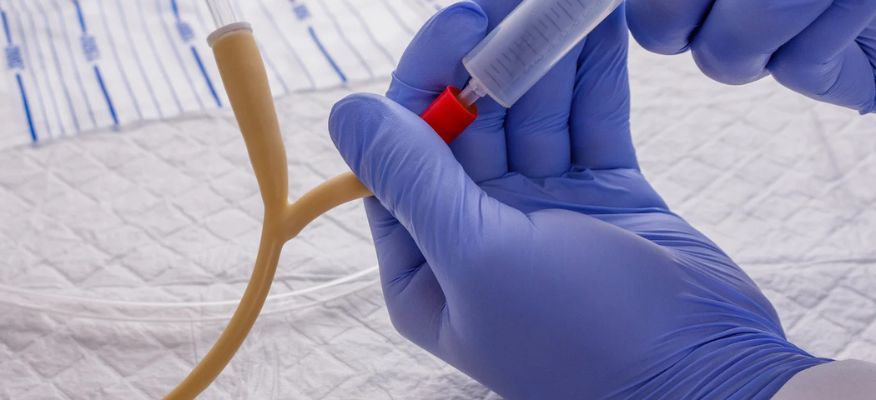
A Foley catheter is a flexible medical tube inserted into the bladder to help drain urine in patients who cannot urinate naturally. It is a common type of indwelling urinary catheter, designed to stay in place for short or long-term use. Understanding its types, uses, and proper care is essential for patients, caregivers, and healthcare providers.
For residents in Fort Lauderdale, FL, Juliart Medical, LLC offers access to reliable Medical Catheters in Fort Lauderdale, FL, along with guidance for safe and effective use.
Types and Features
Indwelling urinary catheter
An indwelling urinary catheter remains in the bladder for continuous urine drainage. It is ideal for patients with urinary retention, those recovering from surgery, or those with mobility limitations. Indwelling catheters are designed for comfort and long-term use when necessary.
Latex Foley catheter
Latex Foley catheters are flexible and commonly used for short-term applications. They are affordable, easy to insert, and suitable for patients without latex allergies. Latex catheters provide reliable drainage while maintaining patient comfort.
Silicone Foley catheter
Silicone Foley catheters are more durable and biocompatible, making them suitable for long-term use. They are less likely to cause irritation or allergic reactions and can remain in place for weeks under proper supervision.
Catheter balloon
A key feature of a Foley catheter is the catheter balloon at the tip. After insertion, the balloon is inflated with sterile water to keep the catheter securely inside the bladder. Balloon size varies depending on the catheter type and patient needs.
Catheter sizes
Catheter sizes are measured in French units (Fr) and determine the diameter of the tube. Choosing the correct size ensures proper urine flow, reduces discomfort, and minimizes the risk of complications. Healthcare providers select sizes based on age, bladder capacity, and medical conditions.
Medical Uses
Urinary retention treatment
A Foley catheter is often prescribed for urinary retention treatment, helping patients who cannot empty their bladder naturally due to conditions such as enlarged prostate, nerve damage, or urinary obstruction.
Post-surgery urinary care
During post-surgery urinary care, Foley catheters provide continuous bladder drainage, preventing urinary retention and allowing medical teams to monitor recovery effectively.
Bladder drainage device
Foley catheters act as a reliable bladder drainage device, assisting patients with limited mobility or severe illness. Continuous drainage reduces discomfort and the risk of accidents or overdistension.
Monitoring urine output
In hospital settings, Foley catheters are used for monitoring urine output, which is critical for assessing kidney function, hydration levels, and overall patient health. Accurate measurement supports better clinical decisions.
Hospital catheter use
Hospital catheter use is common in intensive care units, surgical wards, and long-term care facilities. Foley catheters provide safe and effective bladder management for patients who cannot urinate independently.
Patient Care & Maintenance
Foley catheter insertion
Foley catheter insertion should always be performed by trained medical personnel using sterile techniques to minimize infection risk and ensure proper placement.
Catheter hygiene tips
Maintaining hygiene is essential. Regular cleaning of the catheter, drainage bag, and surrounding area helps reduce infection risk and ensures the catheter functions properly.
Preventing urinary tract infections
Following guidelines and preventing urinary tract infections includes washing hands before touching the catheter, keeping the drainage system closed, and monitoring for symptoms like fever, cloudy urine, or discomfort.
Long-term catheter care
For patients requiring extended use, long-term catheter care involves checking the balloon, ensuring unobstructed urine flow, and regularly consulting healthcare providers for adjustments or replacements.
Catheter removal procedure
When the catheter is no longer needed, a trained professional performs the catheter removal procedure, deflating the balloon and gently withdrawing the tube to minimize discomfort and prevent complications.
Comparisons & Alternatives
Foley vs. intermittent catheter
A Foley vs. intermittent catheter comparison shows that intermittent catheters are inserted and removed several times a day, providing short-term drainage without an indwelling device. Foley catheters are ideal when continuous drainage is necessary.
Indwelling vs. external catheter
Indwelling vs. external catheter decisions depend on patient mobility, infection risk, and lifestyle. External catheters, like condom catheters, are less invasive and suitable for patients who do not require constant bladder drainage.
Urinary catheter options
There are multiple urinary catheter options, including latex, silicone, intermittent, indwelling, and external types. Healthcare providers select the best option based on patient condition, comfort, and care requirements.
General Informational / Health Context
Urinary catheter management
Proper urinary catheter management is essential to prevent complications and maintain patient health. This includes regular monitoring, hygiene practices, and timely interventions for any issues.
Bladder health support
Foley catheters support bladder health by preventing retention, reducing overdistension, and enabling accurate monitoring of urine output, particularly in patients with chronic illnesses or post-surgery recovery.
Safe catheter practices
Following safe catheter practices, including sterile insertion, secure attachment, and routine cleaning, helps minimize infection risks and promotes long-term patient well-being.
Home care for catheter patients
Educating patients and caregivers on home care for catheter patients empowers them to manage catheters safely, maintain hygiene, and recognize early signs of complications, improving quality of life.
Patient comfort with catheter use
Ensuring patient comfort with catheter use involves selecting the right catheter type, size, and material, as well as providing guidance on mobility, hygiene, and daily activities. Proper care can make catheter use safe and tolerable for patients of all ages.
FAQs
1. How long can a Foley catheter stay in place?
Depending on medical needs, short-term use may last a few days, while long-term use can extend for weeks under professional supervision.
2. Can a Foley catheter cause infections?
Yes, improper care or extended use increases infection risk. Following hygiene practices and regular medical check-ups reduces this risk.
3. Is catheter insertion painful?
Mild discomfort may occur, but trained medical personnel use sterile techniques and lubrication to minimize pain. Local anesthesia can be applied if needed.
4. Can patients perform daily activities with a Foley catheter?
Yes, with proper drainage bag management, patients can continue most daily activities, though intense physical activity may require additional precautions.
5. What should I do if the catheter becomes blocked?
Contact a healthcare provider immediately. Do not attempt to clear the blockage yourself, as it may cause injury or infection.
A Foley catheter is a reliable tool for managing urinary health, supporting bladder function, and improving patient comfort. With proper care, hygiene, and professional guidance, it can be used safely in hospitals, home care, and long-term management situations.


